
Why Filling a Room Is Never Just About the Event
One of the questions I get asked most often after a successful event is, "How did you do that?"
People usually assume the answer has something to do with the topic, the speaker, the marketing, or the turnout. Those things certainly help, and I spend time thinking about all of them.
But over the years, I've learned that audiences respond to much more than the content itself.
They are responding to the entire experience surrounding it.
The reality is, before the first speaker takes the stage, people are already gathering information and deciding whether they are going to enjoy the experience. They are looking for parking. They are deciding whether the room feels welcoming. They are figuring out where to go, whether they know anyone, and whether the people running the event seem organized and prepared.
Most guests will never mention those details afterward. In fact, they may not consciously remember them at all. What they do remember is how the experience made them feel.
That realization changed the way I plan events.
I stopped thinking only about the program and started paying closer attention to everything surrounding the program. The room. The volunteers. The flow. The transitions. The atmosphere. The details that most people never see but somehow always experience.
That's the work behind the work.
Operational Trust
They may not realize they're doing it, but they're gathering clues from the moment they arrive. They notice whether signage makes sense, whether registration feels organized, whether volunteers appear confident, and whether someone takes the time to welcome them.
Most people never walk away saying, "The registration process was excellent." What they remember is whether they felt relaxed or unsettled.
I've come to think of this as operational trust.
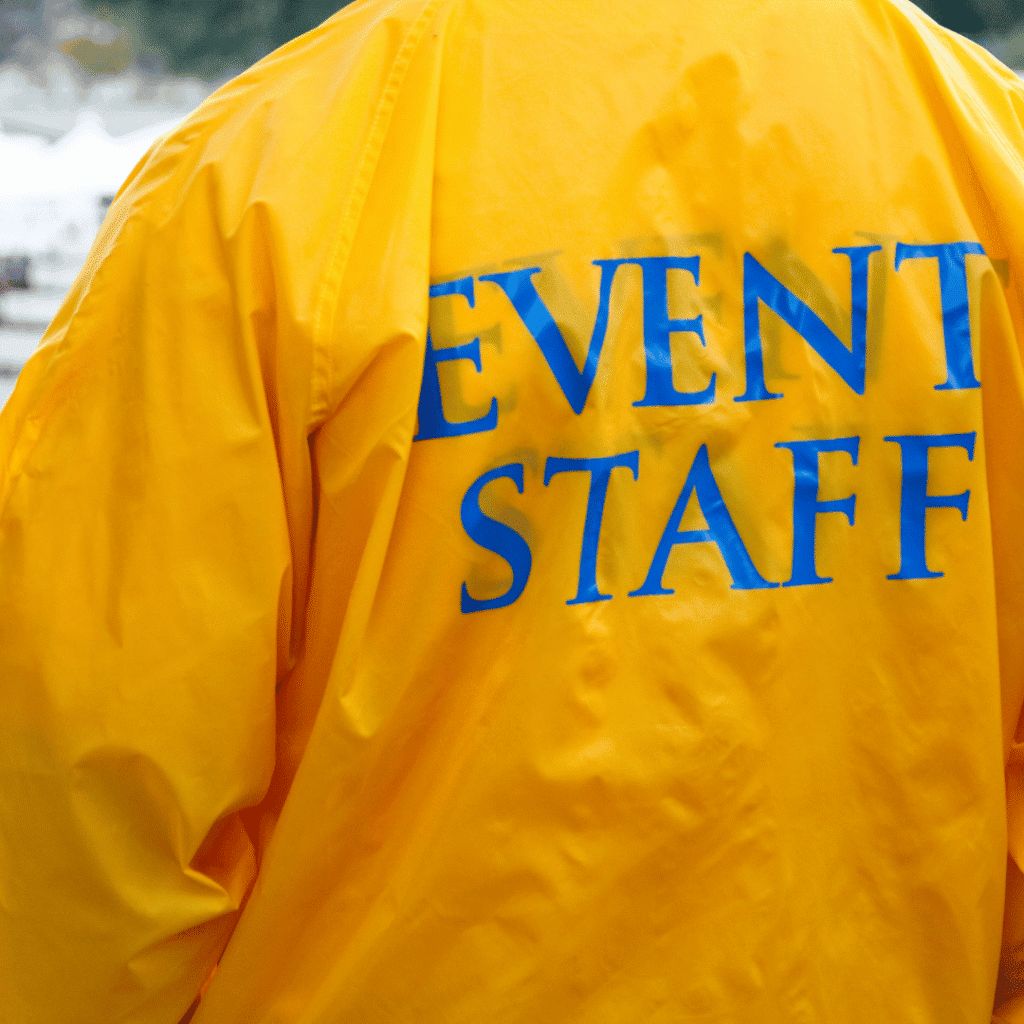
When an event feels organized, people stop spending energy trying to figure out what's happening around them. They relax. Their attention shifts from logistics to the experience itself. They become more open to conversation, learning, participation, and connection.
When the opposite happens, guests begin spending emotional energy on questions that should never compete with the purpose of the event:
- Will this be worth my time?
- Am I in the right place?
- What happens next?
- Do these people know what they're doing?
That trust begins forming before the first presentation starts. Once it exists, participation becomes much easier.
Leadership Through Preparation
One of my mentors shared a lesson years ago that has stayed with me ever since. "You'll either pay for it up front, or you'll pay for it at the end." I've found that to be true in fundraising, communications, grant writing, and especially events. The more time I spend preparing beforehand, the fewer surprises I encounter once guests arrive. I really do sweat the small stuff.
Before every event, I mentally walk through the experience from beginning to end. I think about where guests will enter, where they might hesitate, where confusion could occur, and how the room will feel once people begin arriving.
Very often, I start at the end and work backwards. That process helps me visualize details I might otherwise miss.
I spend time thinking about what could go wrong. What happens if a volunteer doesn't show up? What if registration takes longer than expected? What if the speaker gets delayed by traffic? What if the microphone suddenly stops working? What if food service falls behind schedule?
Those questions are not signs of pessimism. They are part of protecting the audience experience. Over time, I've learned that preparation is not really about logistics. It's about creating emotional comfort.
It's hospitality. I am the host and the audience is my guest. What do I want them to feel? Comfortable.
When guests sense calm leadership behind the scenes, they stop worrying about logistics and begin paying attention to the reason they came. They focus on conversation, learning, relationships, and participation. That emotional ease changes the atmosphere of the room.
Event Flow Is Emotional
One of the most overlooked aspects of program planning is pacing. Most people think pacing is simply keeping an event on schedule. It's much more than that. Pacing influences how people experience an event emotionally.
We've all attended events where something felt off, even if we couldn't immediately identify what it was. The speaker finishes and nobody seems quite sure what happens next. Volunteers begin whispering. Someone rushes toward the podium. Guests pull out their phones while they wait.
Within moments, the energy in the room begins to change. And sometimes it’s impossible to regain the momentum.
None of those moments appear on the agenda, yet they shape the audience experience just as much as the presentation itself.
I've learned that pacing creates confidence. When events move smoothly, people relax. Speakers perform better. Volunteers feel more prepared. Sponsors feel naturally integrated into the experience. Audiences remain engaged because they aren't distracted by uncertainty.
When pacing begins to break down, the opposite happens. The room starts working harder than it should.
Over the years, I've become less focused on schedules and more focused on flow. The strongest programs create a natural rhythm that carries people through the experience without requiring them to think about what comes next.
That flow becomes especially important as attention begins to fade. Most audiences start experiencing some level of cognitive fatigue around the forty-five-minute mark. That doesn't mean a program should end at forty-five minutes. It simply means organizers need to understand how to vary storytelling, conversation, movement, visuals, and emotional tone to keep people engaged.
Designing for participation means understanding human attention, not simply building a schedule. And it helps to rehearse the flow with key players on the program.
Room Setup Influences Behavior
A room is never emotionally neutral.
Coming from a background in performance and entertainment, I've learned that people begin deciding how comfortable they feel before the program actually starts. They notice whether they can see the speaker. They notice whether they can hear comfortably. They notice whether they feel crowded or disconnected from what is happening around them.
Because of that, I spend a surprising amount of time thinking about room setup.
I've personally arranged rooms many times, spacing chairs farther apart when guests needed more personal space or staggering rows of folding chairs so people seated in the back could see the stage more easily. After receiving guest numbers, I've moved events into smaller rooms because I knew a cozy room filled with conversation and energy would create a stronger experience than a larger room that felt half empty.
If guests are being served a meal, I think about that experience too. Should we choose a buffet or serve at the tables? Should announcements happen before people eat or after? Is there background music? At what point does the speaker begin?
Most guests never consciously think about those decisions. What they know is whether they feel comfortable.
When people feel comfortable, they settle in more quickly. They become more willing to ask questions, engage in conversation, stay longer, and return for future programs. A thoughtfully arranged room removes distractions and allows people to focus on the reason they came in the first place.
The environment either supports participation or works against it.
Greeters Shape the Emotional Tone
One of the easiest mistakes organizations make is treating check-in as an administrative task. I've never viewed it that way because the first few minutes of an event often determine whether guests feel welcomed, comfortable, and connected to the experience.
By the time someone reaches the registration table, they have already formed dozens of impressions. They've looked for parking. They've searched for the entrance. They've wondered whether they would know anyone. They've decided what to wear and whether they would feel comfortable attending.

That's why I spend time preparing greeters before an event. I want them to understand they are doing much more than handing out name tags or directing traffic.
They are helping establish the emotional tone of the room.
A smile creates comfort. Eye contact builds connection. A warm greeting lowers anxiety. Being welcomed by name helps people feel recognized.
People may not remember exactly what was said during those first moments, but they remember how they felt. Hospitality communicates something powerful: You belong here. When people feel like they belong, participation becomes much easier.
Social Energy Is Contagious
One thing I've observed over the years is that audiences often take emotional cues from the people around them.
If a program includes dancing, I will sometimes intentionally invite friends who enjoy dancing and naturally lead the way once the music begins. Their comfort lowers hesitation for everyone else in the room because people tend to look around before deciding whether they want to participate.

I also have a friend with a wonderfully contagious laugh.
When she laughs openly and warmly, the atmosphere changes almost immediately. People relax. Conversations become easier. The room begins feeling more connected.
Because of that, I often ask her to arrive early and mingle with guests..
I sometimes encourage greeters, volunteers, or table hosts to use welcoming phrases that create an immediate sense of recognition. Something as simple as, "I was hoping you would be here," communicates something powerful.
- It tells people they are expected.
- It tells people they are appreciated.
- It tells people they belong.
Those moments may seem small, but they influence how people experience the event. Participation is often socially reinforced long before someone consciously decides whether they feel comfortable engaging.
Sound, Timing & Audience Attention
My background in film, television, audio production, and post-production has probably made me more aware of sound than the average person.
But everyone notices poor sound eventually.
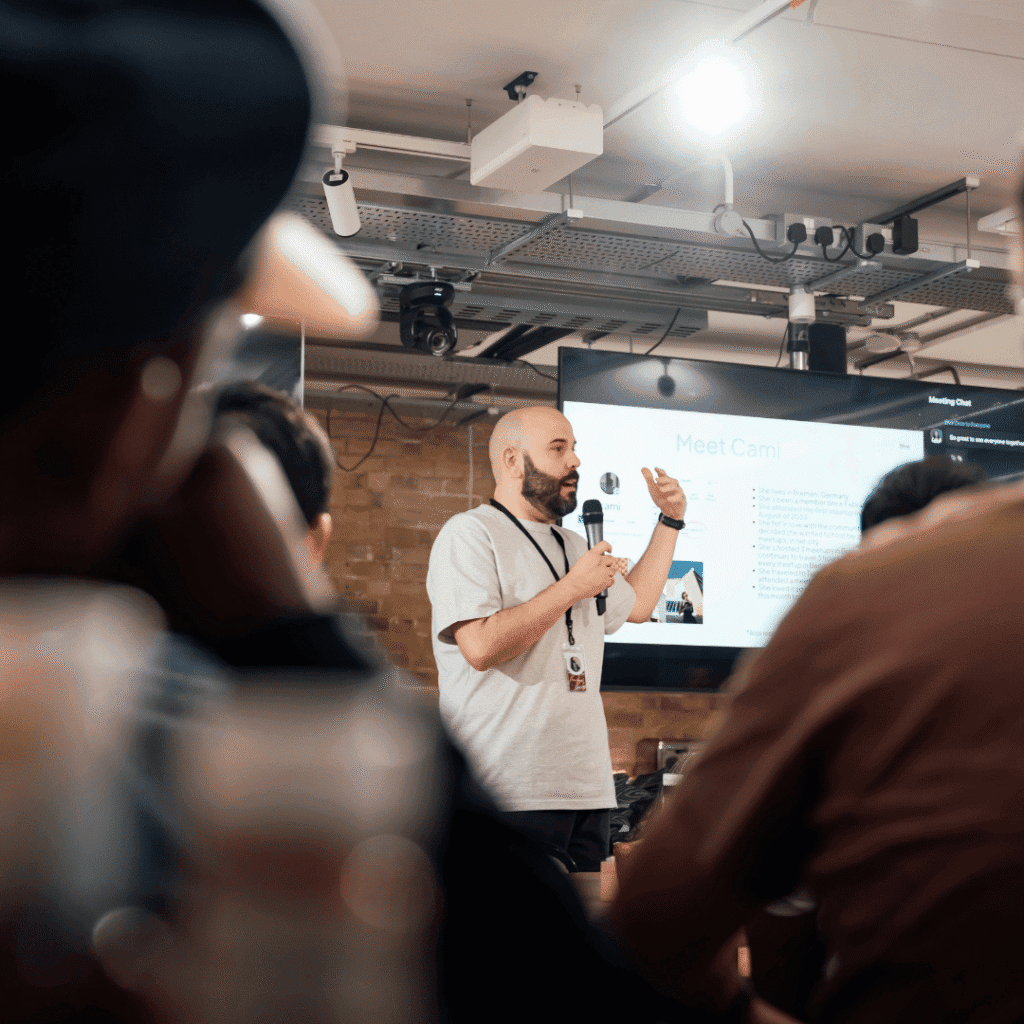
If people cannot hear comfortably, they begin working harder simply to follow what is being said. Instead of focusing on the content, they start focusing on the effort required to listen. Their attention begins to wander, energy drops, and engagement suffers.
That is why I pay close attention to sound checks, microphone placement, speaker volume, room acoustics, and transition timing.
I've attended events where the speaker was excellent, but the audience struggled to hear. Unfortunately, people rarely separate those two experiences. They simply leave feeling less engaged.
Timing matters just as much.
Audiences want to feel that organizers respect their time. Starting late, dragging transitions, running excessively long, or allowing programs to lose focus gradually weakens audience trust.
When timing feels thoughtful and intentional, people relax. They settle into the experience and remain engaged much longer.
Printed Materials Still Matter
Even in an increasingly digital world, I've found that people still appreciate having something tangible in their hands.
I've noticed that people like having something to hold. A printed program gives guests a sense of orientation and participation. It helps them feel connected to the experience and reminds them that they are part of something larger than simply attending another meeting.
I often include speaker information, sponsor recognition, upcoming programs, mission highlights, and opportunities to stay connected.
These materials do more than communicate information. They reduce confusion, reinforce professionalism, and give guests something meaningful to revisit after the event. In many cases, they become another touchpoint connecting the audience back to the mission.
Follow-Through Shapes Memory
The audience experience does not end when people walk out the door. In many ways, that is where some of the most important work begins.
I've seen organizations spend months planning an event and then treat it as complete once the room empties. No follow-up occurs. No thank-you communication is sent. No effort is made to continue the relationship.
That is a missed opportunity.
One of the reasons I believe programs should be part of a larger donor cultivation and engagement strategy is that events create opportunities for people to experience an organization in ways that direct mail, social media, and fundraising appeals cannot.
People have conversations. They meet volunteers. They interact with staff. They experience the mission through relationships. Those moments create familiarity and trust. Follow-through helps preserve that momentum. A thoughtful email, a handwritten note, a photograph from the event, sponsor recognition, or a future invitation all help people reconnect with the experience and understand where they fit within the larger story of the organization.
Strong follow-through transforms an event from a one-time activity into the beginning of an ongoing relationship.
Final Thoughts
When people ask me, "How did you do that?" the answer is rarely one thing. It's usually dozens of small decisions that help people feel welcomed, comfortable, valued, and connected.
People often assume successful events are built through creativity, charisma, or promotion. Those things certainly help. But over the years, I've learned that audiences remember experiences differently than organizers do.
They remember how welcomed they felt. They remember whether the environment felt comfortable. They remember whether the experience felt organized and worth their time. Most importantly, they remember whether someone made them feel like they belonged.
Those impressions are formed through dozens of small decisions that may never appear on an event checklist. They are created through preparation, hospitality, pacing, environmental comfort, operational trust, and thoughtful leadership.
That is the work behind the work.
In the first piece of this series, I explored why people participate and what influences attendance before an event begins. Once people arrive, however, the environment itself becomes part of the experience. And after the room empties, another phase begins.
In the final piece of this series, From Attendance to Relationship, I'll explore how thoughtful follow-up, stewardship, and continued engagement help organizations transform participation into long-term connection, trust, and mission support.
About Angie Thompson
Angie Thompson is a fundraising strategist, brand storyteller, and creative consultant who helps nonprofits communicate with purpose and momentum. Drawing on award-winning experience across film, television, philanthropy, and community development, she specializes in storytelling and engagement strategies that build trust, strengthen participation, and inspire action.
Angie is the creator of the Participation-First Program Design Method™, the Pivot Pulse™ storytelling method, and the principal consultant of Angie Thompson Consulting LLC.
The Participation-First Program Design Method™
This approach reflects how Angie designs programs that encourage participation, secure early engagement, strengthen relationships, and create meaningful experiences that support long-term mission connection.
Disclaimer
This article is intended for educational and informational purposes and is not designed to serve as a comprehensive event-planning handbook. The concepts shared highlight selected planning considerations that influence participation, audience experience, stewardship, donor engagement, and relationship-building.
Every organization, audience, program, and event is different. Successful events are shaped by factors such as organizational goals, community needs, staffing capacity, volunteer support, sponsorship opportunities, budgets, timelines, and desired outcomes. As a result, event strategies should be customized to fit the unique purpose and scope of each organization.
The examples and observations shared throughout this article are intended to encourage strategic thinking and provide practical insight into the planning process. Additional considerations, logistics, operational requirements, compliance issues, and audience-specific strategies may apply depending on the nature of the event.
Organizations seeking guidance with program development, event strategy, audience engagement, sponsorship planning, stewardship, fundraising experiences, or participation-driven programming are encouraged to develop a customized plan designed around their specific goals and community.
This article is not intended as legal, financial, tax, or regulatory advice. Always consult qualified professionals regarding charitable giving regulations, sponsorship compliance, IRS requirements, charitable gaming laws, alcohol and beverage regulations, contractual obligations, insurance requirements, and applicable state or local event requirements.