A busy room does not always mean a broader audience. Before investing more time or money in networking, events or sponsorships, ask who you hoped to reach, who you are actually reaching and what has come from being there.


A busy room does not always mean a broader audience. Before investing more time or money in networking, events or sponsorships, ask who you hoped to reach, who you are actually reaching and what has come from being there.
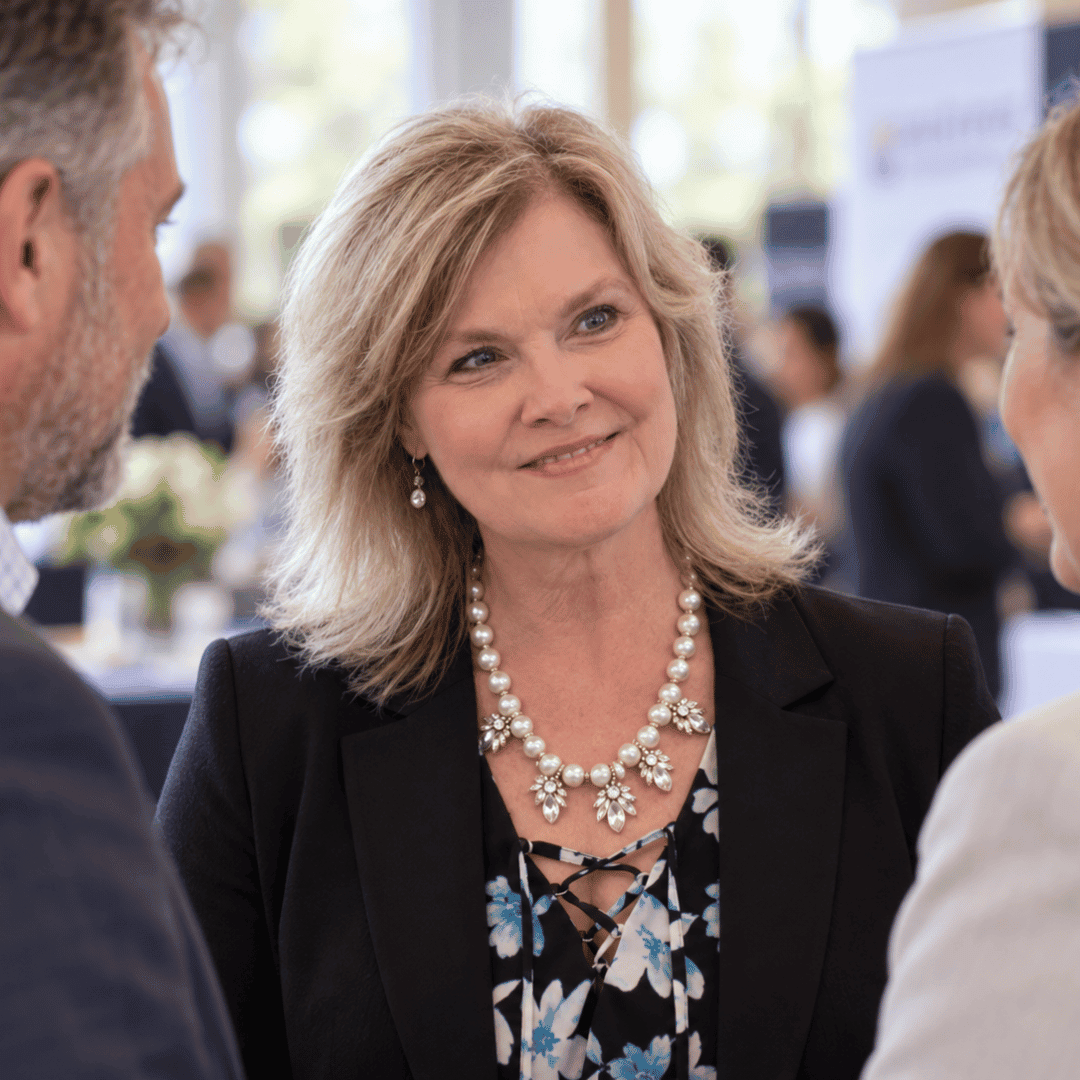
When the market is crowded, doing what everyone else is doing may not be enough. Before adding another event, campaign or idea, it may be worth asking: What problem are we actually trying to solve?

Not every donor or prospective client is ready to say yes today. Relationship development means paying attention to the conversations, experiences and connections that may lead to what comes next.

Wealth can tell us who may have the capacity to make a significant gift. But it doesn’t tell us who has a reason to care. Finding potential major donors means looking for both capacity and affinity.

We spend a lot of time looking for new donors. But some of the best connections may begin with the people who already know and care about our work. A meaningful donor experience can lead to stronger relationships, trusted introductions and future giving.

What happens when a donor is ready to do something more? Being philanthropy-ready means having the policies, tools, processes and professional relationships in place to make giving easier. Here are some practical ways nonprofits can prepare before the donor is standing at the door.

What if monthly giving were about more than predictable revenue? The Extended Handshake explores how recurring gifts create opportunities to know donors, strengthen relationships and invite people into a deeper connection with the mission.

What if one of your nonprofit’s greatest fundraising opportunities is already in your donor database? Strong donor relationships can lead to major gifts, deeper engagement and charitable legacies that sustain the mission for years to come.

Nonprofits spend considerable time searching for new revenue, but one of their greatest fundraising opportunities may already be in the donor database. Major-gift fundraising begins by knowing the people who already care.